
2025
5 Red Flags Your Basement Suite Isn't Legal in Ontario (And How to Fix Them)
Category:
Guides
Duration:
8 min read
Countertop:
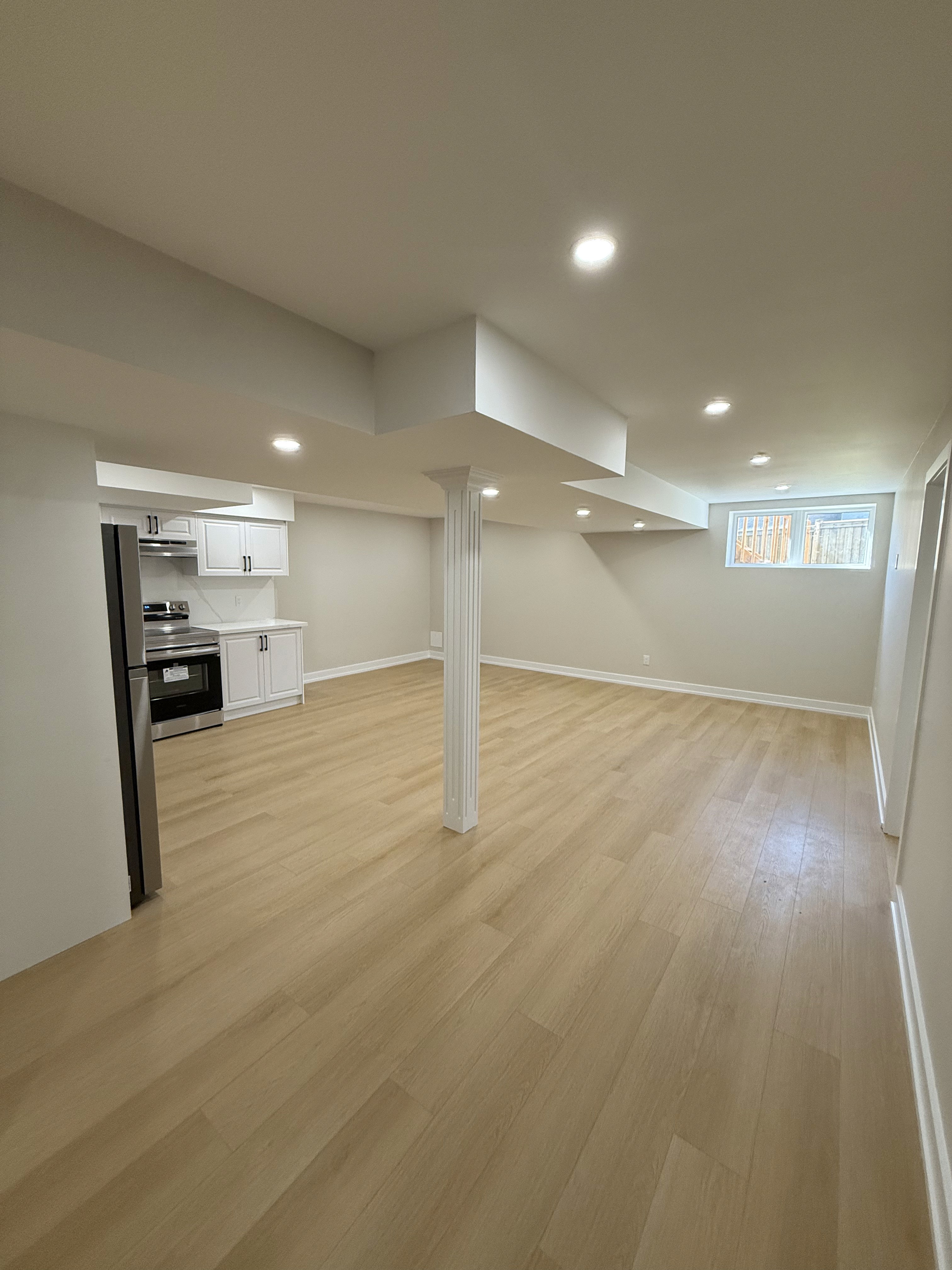
Many homeowners discover their basement suite isn't legal only after a problem arises. From undersized windows to missing fire separation, these hidden issues can jeopardize your rental income and your home's safety. Here are the five most critical red flags to look for.
You invested in your basement to create valuable living space or rental income. But if key safety and building codes were overlooked, that investment could be at serious risk. An illegal basement suite can lead to massive fines, voided insurance, and dangerous living conditions.
Many suites become "illegal" simply because crucial steps like proper permits, inspections, or fire safety details were missed during construction. As the City of Toronto and other GTA municipalities increase enforcement, identifying and fixing these issues is more urgent than ever .
Here are the 5 most common red flags that your basement suite may not be legal, and how the Caviar Kitchen & Stone rescue team can professionally resolve them.
Red Flag #1: Missing or Undersized Egress Windows in Bedrooms
The Problem
Every bedroom in a basement suite must have a dedicated egress window large enough to serve as an emergency escape route. The Ontario Building Code is very specific: the window must open to an unobstructed clear area of at least 0.35 square metres (3.77 sq ft), with no side smaller than 380 mm (15 inches) . A standard basement window is almost always too small.
Why It Matters
This is a critical life-safety issue. In a fire, if the interior stairs are blocked, this window is the only escape for tenants. Non-compliance is a major red flag for fire inspectors and a common reason permit applications fail.
The Fix
Resolving this requires a precise, multi-step process. First, a professional must assess the foundation wall to plan the new opening. Then, a section of the concrete foundation must be carefully cut out. A code-compliant window well must be excavated and installed on the exterior, and a new, larger window unit fitted. Finally, the interior trim and well cover are secured. Due to the structural and waterproofing risks, this is not a DIY project and requires experienced contractors who can also manage the necessary building permits.
Red Flag #2: No Proper Fire Separation from the Main House
The Problem
A legal secondary suite must be a self-contained unit separated from the main house by fire-rated walls and ceilings (typically a 30-45 minute rating). This includes special 5/8-inch Type X drywall, fire-rated solid-core doors, and sealing all gaps around pipes and ducts. Many DIY or contractor-built suites use standard drywall or have unsealed penetrations.
Why It Matters
Without proper containment, a fire can spread between units in minutes, risking lives. It's also one of the first things municipal inspectors check. Missing fire separation often means the suite will never pass a safety inspection.
The Fix
Correcting this requires a systematic approach. First, all walls and ceilings separating the units must be inspected to identify deficiencies. The fix involves installing the correct fire-rated drywall (Type X) over the entire assembly, ensuring all seams are properly taped and mudded. Every penetration for pipes, wires, or ducts must be sealed with a certified firestop material or collar. Finally, any doors in the separation wall must be replaced with approved, solid-core fire-rated units. This is specialized work that demands knowledge of building and fire code assemblies.
Red Flag #3: Ceiling Height Below the Legal Minimum
The Problem
The Ontario Building Code requires a minimum ceiling height of 1.95 metres (6 feet 5 inches) throughout living areas in a basement suite . Under beams or ducts, a slightly lower height may be allowed in a limited area, but the general rule is strict . Older homes often have basements that simply don't meet this standard.
Why It Matters
This is a fundamental requirement for a space to be considered a legal dwelling. If the height isn't there, no permit will be issued. It's also a major obstacle if you ever try to sell the home, as buyers and their agents will immediately notice .
The Fix
There are two primary ways to address low ceiling height, both of which are major structural undertakings. The first is underpinning, which involves excavating sections under the foundation to lower the basement floor. The second is bench footing, which involves pouring a new concrete footing and wall inside the existing one. Both methods require detailed engineering plans, municipal permits, and excavation by experienced professionals to ensure the structural integrity of your home is not compromised. This is not a cosmetic fix.
Red Flag #4: Non-Compliant or Non-Existent Electrical & Permits
The Problem
All electrical work in a suite must be performed by a licensed electrician, inspected, and approved by the Electrical Safety Authority (ESA) . A common tell-tale sign is the absence of an ESA sticker on the electrical panel. Furthermore, the entire suite renovation legally requires a building permit from your city .
Why It Matters
Faulty wiring is a leading cause of house fires. Insurance companies will deny claims for fires originating in unpermitted, un-inspected work . If you don't have permits, the municipality has no record of your suite, which can trigger fines and stop-work orders .
The Fix
The path to compliance is a formal process. First, a licensed Electrical Contractor must inspect all existing work, make any necessary corrections, and ensure the suite's electrical system is safe and self-contained. They will then arrange for an ESA inspection to obtain the required approval sticker. Simultaneously, you must apply for a building permit from your city, which involves submitting detailed drawings of the existing and proposed work. A city inspector will then visit at key stages to verify everything meets code.
Red Flag #5: Alarms That Aren't Interconnected
The Problem
Code requires smoke and carbon monoxide alarms in the basement suite. However, for secondary suites, these alarms must also be hard-wired and interconnected with the alarms in the main house . This means if a fire starts in the basement, the alarms will sound throughout the entire home, and vice versa. Battery-operated standalone units do not meet this requirement.
Why It Matters
Interconnection provides the earliest possible warning for all occupants, which is crucial for escape time. It's a specific code requirement for multi-unit situations that is frequently missed but easily identified by an inspector.
The Fix
To meet code, you must install hard-wired smoke and carbon monoxide alarms in the basement suite (in bedrooms, outside sleeping areas, and on each level). These new alarms must be connected to the existing wiring of the alarms in the main house so all devices sound simultaneously. This task involves running new electrical cables through finished walls and ceilings, which typically requires a licensed electrician to ensure the work is done safely and to code, followed by verification during a final inspection.
The Consequences of Ignoring These Red Flags
Red Flag | Primary Risk | Potential Consequence |
|---|---|---|
Faulty Egress & Fire Separation | Life Safety | Tenant injury or fatality; automatic failure of all inspections |
Missing Permits & Electrical Approvals | Financial & Liability | Fines of $25,000+; voided insurance; full liability for accidents |
Non-Compliant Construction | Investment Loss | Inability to rent legally; major hurdles and price reductions when selling |
Get Professional Help for Complex Problems
Correcting these serious issues requires specialized knowledge of building codes, permit procedures, and construction. For many homeowners, managing this process is overwhelming.
That's where our Rescue & Completion Service comes in. We start with a comprehensive Diagnostic Assessment to identify every code violation and create a clear roadmap. We then manage the entire remediation, from engineering and permit applications to expert construction and final inspections, transforming a risky situation into a safe, legal, and valuable asset.