

2025
The 2025 Guide to Basement Suite Permits in Richmond Hill
Category:
Guides
Duration:
8 min read
Countertop:
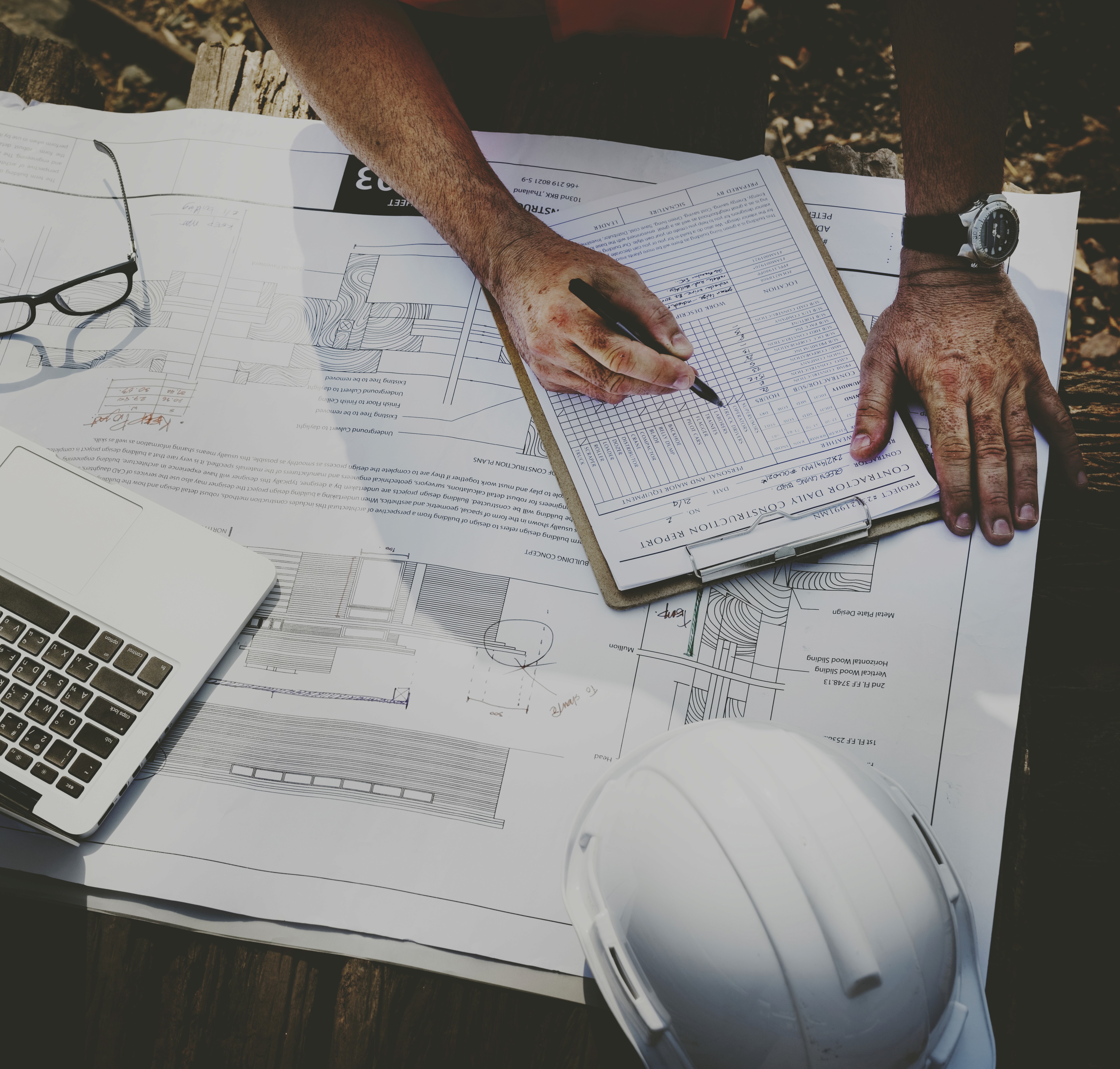
Applying for a permit with the city can feel like navigating a maze. This comprehensive 2025 guide demystifies every step, ensuring your project is built on a foundation of compliance, safety, and lasting value.
Why Permits Are Non-Negotiable: Protection, Not Red Tape
A building permit is formal permission from the City to begin construction, confirming your plans meet the Ontario Building Code (OBC), local zoning bylaws, and all safety regulations. Think of it not as bureaucratic hassle, but as a protective blueprint for your investment:
Safety First: Ensures critical life-safety features like fire separation, proper egress windows, and electrical/plumbing work are designed and installed to code.
Investment Security: Unpermitted work can lead to forced demolition, costly rework, major headaches during a home sale, and voided insurance claims.
Legal Occupancy: Only a permitted, inspected suite can be legally rented, maximizing your income potential and protecting you from liability.
As of January 1, 2025, all new permit applications in Richmond Hill are reviewed under the updated 2024 Ontario Building Code, which includes new provisions for ventilation and other building systems.
Your Step-by-Step Roadmap Through the Richmond Hill Permit Process
Navigating the permit journey is a three-phase process. Understanding it upfront prevents delays and costly mistakes.
Phase 1: Pre-Application & Design (The Planning Stage)
This is the most critical phase for a smooth application.
Feasibility & Zoning Check: First, confirm your property can accommodate an Additional Residential Unit (ARU). Richmond Hill's zoning bylaw (By-law 143-24) permits Additional Residential Units in most zones that allow single-family homes, with up to three units allowed on a single lot in addition to the main house. You must check for specific requirements like lot size, parking, and servicing.
Hire Qualified Professionals: The City requires detailed drawings prepared and reviewed by a qualified professional, an architect, professional engineer, or a designer registered with the Building Code (BCIN). This is not a DIY step; incomplete or non-compliant drawings are the most common cause of delay.
Phase 2: Submission & Review (The Official Application)
Richmond Hill uses a streamlined two-step online submission process.
Pre-screening: You submit your digital documents (as flattened PDFs) through the City's online portal. A reference number is assigned, and staff check for completeness. If anything is missing, you'll coordinate with them until it's acceptable.
Formal Application: Once pre-screened, you'll receive an email with any final items and the applicable permit fee. Fees are calculated based on the project's estimated construction value according to City bylaws and are due in full at this stage (for fees under $20,000). You then make payment online to complete the application.
Typical documents required for a basement suite permit include:
Completed Building Permit Application
Site Plan and Survey
Architectural Floor Plans & Elevations
Structural Details (if beams or supports are added)
Mechanical & Plumbing Drawings
Energy Efficiency Design Summary
Processing Timeline: A well-prepared residential application can be reviewed for completeness within ten business days. However, the total time from submission to issuance varies based on project complexity and how quickly you respond to any review comments.
Phase 3: Construction & Inspections (Building to Code)
Once you have your permit in hand, construction can begin. The permit must be printed and kept on-site.
Schedule Mandatory Inspections: The property owner or contractor is responsible for booking inspections at key stages. Never cover up work before it has been inspected. Typical inspection stages include:
Underground plumbing
Framing and insulation
Fire separation
Final (occupancy) inspection
Obtain Final Occupancy Permit: After passing all inspections, the City will issue an Occupancy Permit. This is your official certificate confirming the suite is safe, compliant, and legal for use or rental.
The Financial Perspective: Costs, ROI, and Financing
Understanding the financials helps frame the permit process as an investment in a valuable asset.
Permit & Project Costs: Building permit fees vary by project value. The total cost for a legal basement suite in Richmond Hill can range significantly, but a quality, turnkey project is a substantial investment.
The Powerful ROI: This investment pays off. A legal suite can add 70-75% of its construction cost to your home's resale value. Furthermore, as a rental, it can generate substantial income. In the Vaughan/Markham/Richmond Hill corridor, basement apartments can rent for $1,600 to $2,200 per month.
Financing Note: If you're considering the Canada Secondary Suite Loan Program, be aware that as of late 2025, the federal program is expected to begin accepting applications in the 2025-26 period. Crucially, to qualify for any financing, lenders will require proof that the suite is legal—meaning it has passed all permit inspections.
The Caviar Kitchen & Stone Advantage
The permit process is detailed and unforgiving of errors. As a Richmond Hill homeowner, your time is best spent thinking about design choices and future tenants, not decoding zoning bylaws or coordinating with city planners.
This is where Caviar Kitchen & Stone becomes your essential partner.
We manage the entire permit journey for you, turning a complex bureaucratic process into a streamlined, worry-free experience. Our expertise ensures:
Accurate Feasibility Assessment: We identify potential zoning or site issues before a single line is drawn.
Professional Plan Preparation: We work with our network of qualified architects and designers to produce complete, compliant submission packages.
Seamless City Coordination: We act as your agent, handling all submissions, revisions, and communications with the Richmond Hill Building Division.
Inspection-Ready Construction: Our builders know the code inside and out, ensuring every stage passes inspection the first time.
By partnering with us, you're not just hiring a contractor—you're gaining a guide who protects your investment, saves you months of stress, and guarantees the outcome is a safe, legal, and highly valuable asset for your home.