

2026
Your Complete Guide to Legalizing a Basement Suite
Category:
Guides
Duration:
8 min read
Countertop:
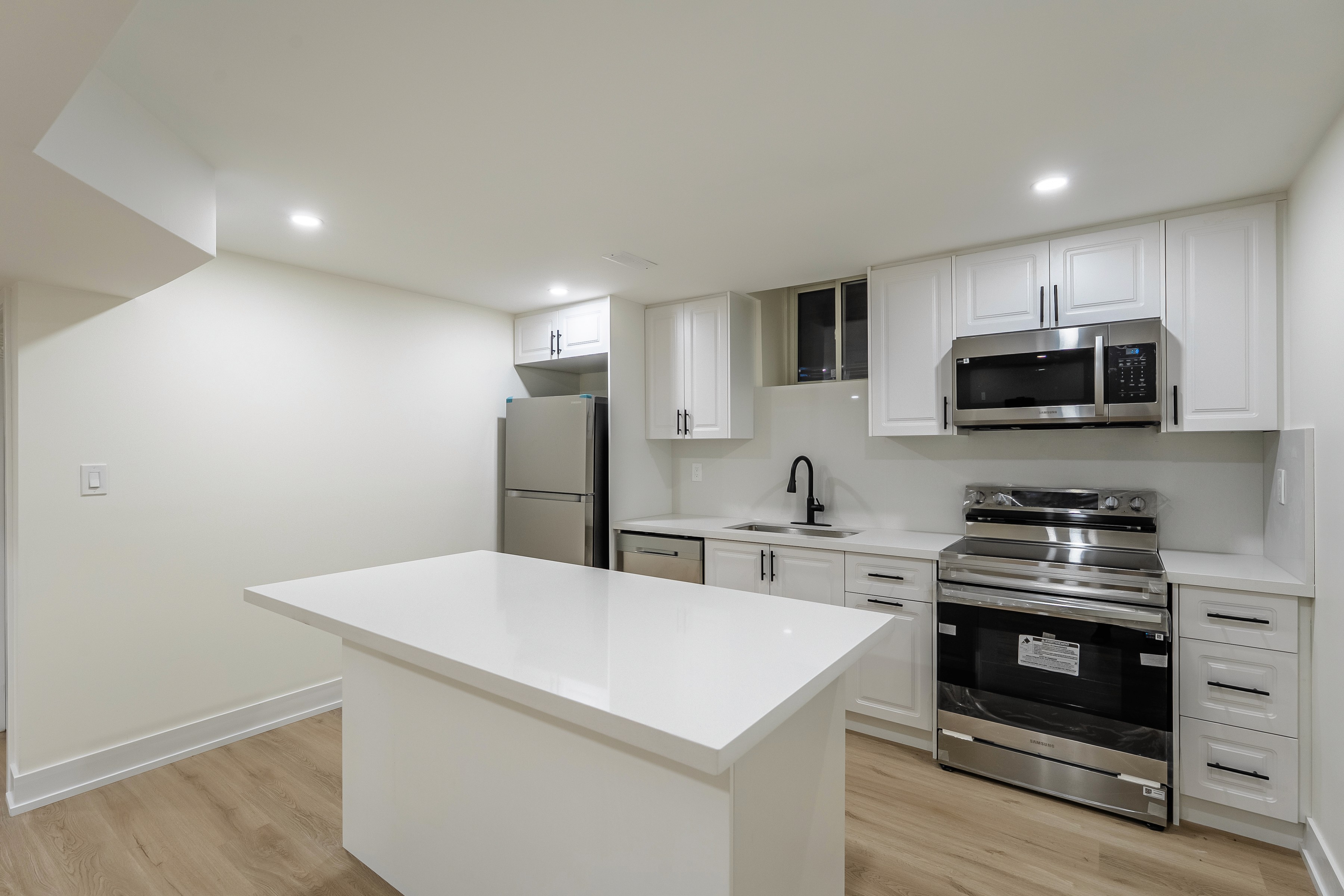
Legalizing a secondary suite involves navigating zoning laws, building codes, and permit applications. This guide breaks down the process from feasibility studies to final inspections, helping you unlock safe rental income and increase property value.
Homeowners across the country are increasingly looking downward to unlock the hidden value in their properties. Converting a basement into a rental unit is a powerful strategy to generate passive income and increase property value. However, the distinction between a casual basement rental and a fully legalized secondary suite is vast.
Navigating the transition from a standard basement to a compliant apartment involves strict adherence to zoning laws, building codes, and municipal bureaucracy. This guide provides a step-by-step roadmap to legalizing your basement suite, ensuring your investment is safe, profitable, and compliant.
What Does it Mean to Legalize a Basement Suite?
Legalizing a basement suite means retrofitting or constructing a living space that fully complies with current municipal zoning bylaws and provincial building codes. It turns a liability into a legitimate asset. To understand the process, one must first distinguish between the three status types of basement units:
llegal Suite: A unit built without permits or inspections. It likely violates fire and safety codes, and the municipality can force the homeowner to decommission it at any time.
Non-Conforming (Grandfathered) Suite: A suite that was legal when it was built but does not meet current standards. While often allowed to exist, major renovations may trigger a requirement to bring the entire unit up to current code.
Legal Secondary Suite: A unit that has passed all municipal inspections, received an occupancy permit, and is registered with the city.
Homeowners pursue legalization primarily for peace of mind and financial leverage. While the process involves upfront costs and paperwork, operating a legal unit eliminates the constant threat of neighbor complaints or municipal shutdown orders.
Step 1: Zoning and Feasibility Studies
Before swinging a hammer, you must determine if your property is allowed to have a second unit.
Check Zoning Bylaws: Visit your local municipal planning department or website. Zoning dictates *where* secondary suites are permitted. Some neighborhoods are zoned strictly for single-family occupancy, while others encourage density.
Lot and Setback Requirements: Even if the zone allows suites, your specific lot must meet criteria regarding frontage, lot area, and setbacks (the distance from the building to the property line).
Parking Availability: This is a common hurdle. Most municipalities require an additional dedicated off-street parking space for the tenant. If your driveway cannot accommodate this without blocking the sidewalk or the main unit’s access, legalization may be rejected.
A feasibility assessment, often performed by a general contractor or architect, will also determine if the existing ceiling height and square footage meet the minimum standards for a dwelling unit without requiring expensive structural changes like underpinning (lowering the basement floor).
Step 2: Key Building Code Requirements for Legal Suites
The Building Code is designed to save lives. When legalizing a suite, the physical requirements focus heavily on fire containment and tenant egress.
Fire Separation: A legal suite must be a self-contained fire compartment. This usually requires installing Type X (fire-rated) drywall on ceilings and walls separating the unit from the rest of the house to achieve a specific fire-resistance rating (often 45 to 60 minutes).
Safety Alarms: Interconnected smoke and carbon monoxide alarms are mandatory. If an alarm goes off in the basement, it must sound in the main floor unit (and vice versa) to alert all occupants.
Egress Windows: Every bedroom needs a safe exit route in case of emergency. Egress windows must meet specific size and opening dimensions so a person can climb out and a firefighter can climb in. This often requires cutting into the foundation to enlarge existing windows and installing window wells.
Systems Separation: Modern codes often require independent heating and ventilation systems to prevent smoke or gas from traveling between units. This may necessitate a separate furnace or electric baseboard heating for the basement.
Step 3: Creating Plans and Applying for Permits
Once feasibility is confirmed, you move to the design and paperwork phase.
Hire a Qualified Designer: Unless you have a background in architectural technology, hiring a qualified designer, architect, or BCIN-certified professional (in Ontario) is essential. They will produce accurate floor plans, elevations, and cross-sections that detail fire separations and HVAC layouts.
The Permit Application: You will need to submit a comprehensive package to your municipality, typically including a building permit, plumbing permit, and electrical permit.
The Review Process: Be prepared for a waiting period. City examiners will review the plans to ensure compliance. It is common to receive a "deficiency letter" requesting revisions to the drawings before the permit is issued.
Step 4: The Construction and Inspection Phase
With the permit in hand, construction can begin. This phase is strictly monitored by municipal inspectors.
Execution: Construction involves framing new layouts, soundproofing (often using resilient channel and safe-and-sound insulation), waterproofing, and upgrading utilities.
Mandatory Inspections: You cannot simply build the suite and show it off at the end. You must schedule inspections at critical milestones:
Rough-in: Checking framing, plumbing, and electrical before walls are closed.
Insulation/Vapor Barrier: Checking energy efficiency and moisture control.
Final: Checking finishes, safety devices, and systems operation.
Addressing Deficiencies: If an inspector flags a code violation, work must stop or be corrected before moving to the next stage. Passing the final inspection is what grants you the "Certificate of Occupancy."
The Benefits of Legalizing Your Basement Apartment
Beyond the obvious safety implications, legalizing a suite offers substantial financial advantages that often outweigh the initial renovation costs.
Increased Property Resale Value: A home with a registered legal suite is a highly marketable asset. Investors and buyers are willing to pay a premium for a "turnkey" income property that does not carry the risk of retrofitting or legal action.
Mortgage Qualification: When a suite is legal, lenders generally allow you to use a significant portion of the projected rental income to qualify for a mortgage. This can increase your borrowing power for buying the home or refinancing for future investments.
Risk Mitigation: Operating an illegal suite is a major liability. If a fire or injury occurs in an unauthorized unit, insurance providers may deny the claim, leaving the homeowner personally liable. Legalization ensures your insurance policy remains valid.
Cost Breakdown: Investment vs. Return
Legalizing a suite is a capital-intensive project. Costs vary wildly based on location and the current state of the basement, but homeowners should budget carefully.
Soft Costs: Architectural drawings, permit fees, and variance application fees (if required) can range from $2,000 to $5,000+.
Hard Costs: Construction materials and labor. A full legalization renovation can range from $30,000 to over $80,000 depending on finishes.
Unforeseen Upgrades: Be prepared to upgrade the main water service (to handle increased pressure demand) or the electrical panel (upgrading from 100amp to 200amp service is often required for two units).
ROI Calculation: Despite the cost, the ROI is high. If a legal suite generates $1,500/month ($18,000/year), a $60,000 renovation pays for itself in just over three years, not counting the immediate increase in property equity.
Conclusion: Is Legalizing Your Suite Worth It?
Legalizing a basement suite is a significant undertaking that requires patience, capital, and adherence to strict regulations. However, the secure rental income, increased property value, and liability protection make it one of the smartest home improvement projects a property owner can pursue.
While the bureaucracy can be daunting, you do not have to navigate it alone. Consulting with professional contractors or architects who specialize in secondary suites can streamline the zoning, permitting, and construction process, ensuring your basement becomes a profitable and safe legal asset.